Если вы сравниваете варианты детских садов в Бангкоке и чувствуете, что цитаты не имеют смысла, вам это не кажется. В мае 2026 года родители по-прежнему видят расценки на вход в размере около 8 500 бат в месяц в бюджетных местных программах, в то время как международные программы дошкольного возраста высшего уровня могут стоить около 560 000 бат в год или выше. Эти цифры выглядят как два разных города, но они являются частью одного рынка, где под одним словом «детский сад» скрываются очень разные продукты.
Эта проверка реальности показывает, что создает этот спред, что на самом деле включено в каждый уровень цен, где затраты в первый год неожиданно растут, и как сравнивать котировки построчно, чтобы не переплатить не за то. Если вам нужны практичные альтернативы, вы также можете сравнить услуги няни и услуги няни в зависимости от вашего графика.
Краткий ответ за одну минуту
- Низкий диапазон цен (около 8 500-15 000 бат в месяц) обычно означает тайский или смешанный языковой уход, базовые удобства и меньше дополнительных услуг.
- Средний диапазон (около 150 000-350 000 бат в год) обычно означает структурированную дошкольную программу, лучшие условия и частичное международное позиционирование.
- Верхняя граница (от 450 000 до 600 000+ бат в год) обычно означает полную международную школьную экосистему, более высокий спрос на бренд, больше специализированного персонала и значительные разовые или ежегодные надбавки к оплате.
- Самая большая ошибка планирования - сравнивать ежемесячную плату за обучение в одной школе с годовой стоимостью в другой без нормализации платы за регистрацию, депозиты, транспорт, питание и поддержку.
- При обменном курсе около 32,5 бат за доллар США в конце мая 2026 года 8 500 бат составляют примерно 260 долларов США в месяц, а 560 000 бат - около 17 230 долларов США в год.
Каковы реальные опубликованные цены в 2026 году?
Опубликованные таблицы сборов в Бангкоке и близлежащих районах подтверждают, что рынок широк, а не узок. В качестве примеров премиум-класса St. Andrews Dusit перечисляет ежегодные цены на обучение в детском саду и приеме, такие как 448 000 бат и 561 000 бат соответственно, плюс варианты единовременного входа и другие дополнительные услуги. В Bangkok Prep указана годовая плата за обучение в раннем возрасте, которая достигнет 595 600 бат в детском саду в 2026-2027 годах. С другой стороны, местные тайские детские сады и детские сады все еще могут находиться в небольшом месячном диапазоне, а в каталогах для родителей на тайском языке продолжают показывать предложения от нескольких тысяч до подростков в месяц в зависимости от района, расписания и модели ухода.
Если вы посмотрите только на стоимость обучения, это выглядит хаотичным. Но как только вы разбиваете их по типам услуг, распределение становится рациональным: местный детский сад, двуязычное частное дошкольное учреждение, международные дошкольные учреждения среднего уровня и международные школы премиум-класса - это принципиально разные продукты с разным персоналом, расходами на соблюдение требований и давлением со стороны спроса.
Как 8500 бат в месяц могут быть реальной ценой
Многие родители считают, что любой детский сад в Бангкоке стоимостью менее 10 000 бат в месяц - фейк. Это не. Обычно это другой дизайн сервиса. В тайских каталогах для родителей и списках частных детских садов в Бангкоке уже давно указываются низкие ежемесячные расценки на местные программы, часто с ограниченными часами, более простыми условиями и меньшим количеством пакетных услуг. В некоторых городских центрах по-прежнему рекламируются ежемесячные группы от 5 000 до 9 000 бат в зависимости от возраста и графика, в то время как близлежащие примеры в Нонтхабури могут составлять от 5 000 до 5 500 бат в месяц за полный день в будние дни.
Текущая цена около 8500 бат в месяц обычно появляется при совпадении нескольких условий: расположение за пределами района, тайский в качестве основного языка, более простая физическая настройка, отсутствие международного бренда премиум-класса, а также пакет, исключающий транспорт и многие дополнительные мероприятия. Это может быть вполне подходящим решением для семей, которые отдают предпочтение безопасному присмотру, распорядку дня и социализации, а не международной учебной программе в возрасте двух или трех лет.
Но низкая цена не означает отсутствие риска. Вам все равно необходимо проверить соотношение лиц, осуществляющих уход, и детей по возрастным группам, правилам гигиены, процедурам оказания неотложной помощи, надзору за сном, качеству связи и политике закрытия, когда дети болеют. Неправильный недорогой центр может стать дорогим, если надежность будет низкой, и родителям придется постоянно корректировать покрытие с помощью специального присмотра за детьми.
Как 560 000 бат в год также могут быть реальной ценой
Теперь прыгайте на противоположный конец. Школы старших классов в Бангкоке публикуют цены для первых классов, которые составляют около или превышают годовой уровень в 560 000 бат. Это не просто часы работы детского сада. Это точка входа в полноценную международную систему образования с более дорогим набором учителей, более сильным уровнем обслуживания родителей, более широкими возможностями и большими накладными расходами на кампус. В некоторых школах плата за обучение является лишь одной строкой в счете за первый год обучения.
Например, школы публикуют такие комбинации, как годовая плата за обучение, вступительный взнос, вступительный или регистрационный сбор, фонд развития или варианты взимания капитала, а также возвращаемые или невозвратные депозиты. Опубликованные структуры сборов, связанные с KIS, также показывают, как единовременные сборы могут привести к тому, что общая сумма за первый год обучения намного превысит годовую плату за обучение. Семья может видеть сумму платы за обучение в диапазоне от 400 000 до 600 000, но при этом ей все равно придется заплатить счет за первый год, который приближается или превышает 1 миллион бат с учетом вступительных взносов.
Вот почему один родитель может сказать: «Мы нашли детский сад менее чем за 10 000 в месяц», а другой может сказать: «Наш детский сад стоил более полумиллиона», и оба утверждения верны.
Пять крупнейших факторов ценового разрыва
1) Идентичность программы: центр по уходу или школьный путь
Некоторые поставщики услуг представляют собой центры по уходу за детьми, ориентированные на ежедневный уход и раннее социальное развитие. Другие - это дошкольные подразделения международных школ K-12, где семьи фактически платят за преемственность, развитие и экосистему бренда, начиная с детского сада. Это разные структуры затрат.
2) Модель и язык кадрового обеспечения
Состав учителей является основным рычагом затрат. Программы, опирающиеся в основном на местный тайский персонал, как правило, будут стоить дешевле, чем программы, в которых работают ведущие международные преподаватели плюс ассистенты, поддержка специалистов и обязательства по более низкому соотношению. Погружение в английский язык или двуязычный брендинг премиум-класса также способствуют повышению цен.
3) Структура часов и года
Многие дешевые сравнения не работают, потому что одно предложение рассчитано на полдня, а другое - на полный день с более длительным покрытием и вариантами праздников. Некоторые школы выставляют счета по семестрам и включают только определенные недели; другие ближе к круглогодичному уходу. Всегда конвертируйте в эффективную ежемесячную и годовую стоимость, исходя из реальных необходимых часов.
4) Услуги и комплексные услуги
Классы с кондиционированием воздуха, большие открытые пространства, системы безопасности, специализированные кабинеты, специально подобранное питание и школьный транспорт - все это связано с эксплуатационными расходами. Школы премиум-класса часто включают больше, но вы все равно платите либо за обучение, либо отдельными статьями.
5) Единовременные и скрытые платежи
Сборы за подачу заявления, сборы за размещение, регистрационные сборы, капитальные сборы, депозиты, униформа, автобус, страховка, EAL или поддержка в обучении, поездки и расходы на деятельность - вот где многие бюджеты не справляются. В Бангкоке это может добавить от 10 до 40 процентов к общей стоимости обучения в первый год обучения в зависимости от потребностей школы и ребенка.
Таблица проверки реальности: сравнение ярусов яблок с яблоками
| Уровень | Типичный котируемый диапазон | Обычно включает в себя | Обычно не входит в комплект |
|---|---|---|---|
| Местный детский сад/ясли | ~8,500-15,000 бат в месяц | Базовый уход в будние дни, питание в некоторых центрах, регулярный присмотр | Двуязычное обучение премиум-класса, широкие специализированные программы, фирменный международный путь |
| Тайский частный или двуязычный детский сад | ~ от 100 000 до 250 000 бат в год | Структурированная дошкольная программа, лучшие условия, частичное изучение языка | Большая экосистема кампуса, обширные специализированные слои |
| Первые годы международного уровня среднего уровня | ~ от 250 000 до 450 000 бат в год | Международная структура учебной программы, более сильная английская среда, лучшие условия | Дополнения престижного бренда, а иногда и полное включение дополнительных услуг. |
| Премиум международные ранние годы | От ~450 000 до 600 000+ бат в год | Лучшие условия, более сильный кадровый состав, переход в международную систему K-12. | Единовременные расходы на вход, транспорт и некоторые вспомогательные сборы могут по-прежнему оплачиваться отдельно. |
Ловушка расходов в первый год обучения, которую большинство семей упускают из виду
Самый большой шок для бюджета - это не ежемесячная плата за обучение. Это пакет на первый год. Семьи часто составляют бюджет, используя только годовую плату за обучение, а затем обнаруживают дополнительные расходы еще до первого дня обучения. Примеры с опубликованных страниц школ Бангкока включают плату за оценку или подачу заявления, вступительный взнос в размере более 100 000 бат, альтернативные схемы взимания капитала и возвращаемые депозиты.
Помогает простое правило: прежде чем сравнивать школы, попросите каждую приемную комиссию указать одну из них, используя точный профиль вашего ребенка. Запросите общую сумму за один год, включая все обязательные позиции за этот первый год. Затем запросите повторяющуюся сумму за второй и третий годы. Если школа не может четко это обеспечить, рассматривайте это как риск планирования.
Сценарное составление бюджета для семей на 2026 год.
Сценарий А: Бережливая стратегия местного детского сада
Стоимость базового ухода составляет около 8500 бат в месяц, плюс транспорт или периодические сверхурочные. Практическая годовая сумма может составлять от 120 000 до 170 000 бат в зависимости от дополнительных услуг и потребностей в дополнительном уходе. Часто это наиболее экономически эффективный путь, когда родители чувствуют себя комфортно в контексте местного языка.
Сценарий Б: Сбалансированная двуязычная стратегия
Стоимость обучения составляет от 180 000 до 320 000 бат в год плюс входные билеты и транспорт. Реальные годовые затраты обычно составляют от 250 000 до 420 000 бат, если учесть дополнительные расходы. Именно этот диапазон в конечном итоге выбирают многие семьи эмигрантов и смешанные языковые семьи.
Сценарий C: Премиальный международный путь
Стоимость обучения от 450 000 до 560 000+ бат в год может вырасти от 650 000 до 1 100 000 бат в первый год после подсчета фондов развития, регистрации, депозитов и вспомогательных услуг. На второй год стоимость обычно падает по сравнению с пиком первого года, но остается высокой. Семьи, выбирающие этот путь, обычно стремятся к обеспечению непрерывности школьного обучения в долгосрочной перспективе, а не только к удобству детского сада.
Контекст доллара США для международных семей
Используя примерно 32,5 бат за доллар США по состоянию на конец мая 2026 года, 8500 бат в месяц составляют примерно 260 долларов США в месяц. Годовая котировка в 560 000 бат составляет примерно 17 230 долларов США в год. Пакет на первый год стоимостью около 1 000 000 бат составляет около 30 770 долларов США. Сохраняйте эти конвертации в качестве ориентира только потому, что курсы валют меняются.
Как сравнить две котировки за 15 минут
- Преобразуйте оба предложения в годовую полную стоимость, используя требуемый график посещаемости.
- Отделите обязательные платежи за первый год от повторяющихся ежегодных платежей.
- Перечислите, что включено: питание, полис подгузников, поддержка сна, автобус, мероприятия, страховка.
- Проверяйте языковую среду и профиль преподавателя, а не только этикетки в брошюрах.
- Измерьте нагрузку на дорогу. Более дешевый центр с тяжелым временем в пути может стоить больше потерянного рабочего времени.
- Попросите календарь закрытия, правила макияжа и протокол больного ребенка.
- Разъясните штрафы за опоздание и размер сверхурочной работы.
- Проверьте плату за поддержку языковых потребностей или потребностей в развитии.
- Спросите о методе общения с родителями и стандарте ежедневной отчетности.
- Забронируйте посещение во время активных занятий, а не только во время блестящего тура.
Эффект района Бангкока: одно только местоположение может изменить ваш счет
Две школы могут предлагать схожую философию преподавания, но приводить совершенно разные цифры, поскольку экономика округов различна. В центральных зонах, где арендная плата, зарплаты и транспортная сложность высоки, плата за обучение обычно растет быстрее. В отдаленных зонах затраты могут быть ниже, но время в пути и неопределенность на дорогах могут свести на нет это преимущество. Для работающих родителей время в пути является статьей бюджета, даже если оно не указано в счете.
Обычная закономерность такова: центр выглядит на 60 000 бат дешевле в год, но родители тратят дополнительные 90 минут в день на циклы получения и возврата. Более года это может привести к значительным потерям рабочего времени, увеличению затрат на поездку и еще большему выгоранию. Поэтому при сравнении цен добавьте теневую стоимость времени. Если один вариант обеспечивает стабильность расписания, он может оказаться наиболее выгодным даже при более высокой плате за обучение.
Также проверьте, как каждый центр справляется с поздним получением. Некоторые предложения с низким заголовком являются строгими и дорогостоящими в отношении штрафов за просрочку, в то время как некоторые программы премиум-класса предоставляют более плавные буферы или собственные возможности расширения. Если ваша работа регулярно выходит за рамки фиксированного времени окончания, эта политика может иметь большее значение, чем номинальная разница в оплате обучения.
За какое качество сигналов стоит платить
Не каждая дорогая функция заслуживает ваших денег, но некоторые заслуживают. Для очень маленьких детей последовательность и безопасность имеют большее значение, чем маркетинговый язык. Практические показатели качества включают стабильную текучесть лиц, осуществляющих уход, четкую политику в отношении заболеваний, соблюдение правил гигиены, прозрачное информирование о происшествиях и предсказуемые переходы наблюдения во время сна, еды и посещения туалета.
Если ваш ребенок переезжает в многоязычную среду, качество общения учителя является еще одним значимым фактором ценности. Родители должны без путаницы понимать ежедневные отчеты, заметки о поведении и наблюдения за развитием. Лучшее общение часто снижает беспокойство и предотвращает превращение небольших проблем в более крупные. Это одна из причин, по которой некоторые семьи с радостью платят по ставкам выше среднерыночных.
Для семей, планирующих длительный путь в международную школу, платить больше за детский сад также может быть стратегическим выбором, а не покупкой для удобства. Непрерывность приема, сеть сообществ и более плавный переход к следующему этапу могут уменьшить трения в будущем. Это не значит, что премиум всегда лучше. Это означает, что премия может быть разумной, если она соответствует долгосрочному плану.
Оценочная карта дня тура: используйте ее, прежде чем подписывать подпись.
- Попросите показать реальный распорядок дня по возрасту, включая переходы, окна для сна и время на свежем воздухе.
- Спросите, сколько опекунов присутствует в комнате вашего ребенка в часы пик и во время перехода.
- Проверьте расположение туалета и подгузников на предмет чистоты, конфиденциальности и рабочего процесса.
- Наблюдайте, как персонал реагирует на плач или конфликт в режиме реального времени.
- Запросите копию дат закрытия, дней обучения учителей и правил экстренного закрытия.
- Спросите, как именно обрабатываются и документируются лекарства.
- Спросите, как пищевая аллергия регистрируется, контролируется и обостряется.
- Запросите все обязательные сборы в одном документе, а не разбросанным по отдельным страницам.
- Подтвердите окончательный ежемесячный счет после добавления транспорта, питания и дополнительной поддержки.
- Спросите, что произойдет, если вашему ребенку понадобится адаптационная поддержка в первые три месяца.
Простой рабочий лист, позволяющий быстро выбрать
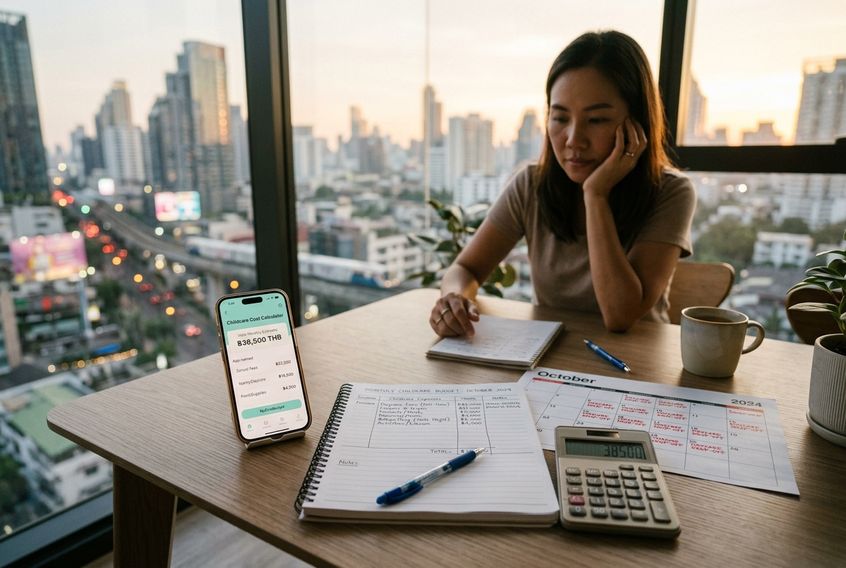
Создайте один лист с четырьмя столбцами для каждого варианта: обязательные затраты за первый год, повторяющиеся годовые затраты, оценка логистики и оценка доверия. Поместите точные числа в первые два столбца. За оценку логистики, скорость поездок на работу, соответствие графику и гибкость резервного копирования от 1 до 5. За оценку доверия, оценку связи, уверенность в безопасности и стабильность персонала от 1 до 5.
Затем взвесьте лист в соответствии с вашими реальными ограничениями. Если у обоих родителей жесткий график работы, логистика может занять 40 процентов веса решения. Если семья планирует остаться в Бангкоке на длительный срок и хочет иметь один школьный путь, преемственность может иметь больший вес. Этот процесс обычно делает победителя очевидным в течение одного вечера и предотвращает чрезмерную эмоциональную реакцию на маркетинговые туры.
Цель не в том, чтобы найти мифический идеальный центр. Цель состоит в том, чтобы выбрать наиболее подходящий вариант с учетом риска для вашего ребенка и вашей семейной системы. Когда вы оцениваете затраты, время и доверие вместе, путаница 8500 против 560 000 становится управляемой, а решения становятся спокойными.
Когда детский сад - не лучшее соотношение цены и качества
Для некоторых семей гибридная модель работает лучше: дошкольное учреждение неполный рабочий день плюс специализированная помощь на дому. Если у вас нерегулярный график работы, у вашего ребенка частые перерывы в болезни или поездки в школы премиум-класса чрезмерны, сочетание обучения в центре с помощью на дому может снизить стресс и стабилизировать распорядок дня.
Если вы сравниваете альтернативы, просмотрите все услуги по уходу, а затем составьте список между детским садом, няней и няней в зависимости от нестабильности вашего графика и возраста вашего ребенка. Вы также можете просмотреть дополнительные руководства по планированию в блоге FamBear.
Окончательный вердикт: диапазон реален, но ваше решение все равно может быть простым.
В Бангкоке в 2026 году котировки от 8 500 бат в месяц до примерно 560 000 бат в год не являются ценовыми ошибками. Они отражают принципиально разные товары по уходу за детьми. Правильный шаг - не гоняться за одним самым дешевым или самым дорогим вариантом. Правильный шаг - согласовать структуру затрат с вашими фактическими потребностями: языковыми целями, требуемыми часами, переносимостью поездок на работу, кадровыми ожиданиями и долгосрочным планом обучения.
Как только вы нормализируете каждую цитату на общую сумму за первый год и повторяющуюся годовую сумму, большая часть путаницы исчезнет. Именно тогда хорошие решения принимаются быстро.
Frequently Asked Questions
Потому что поставщики предлагают разные продукты под одной маркой. Местный детский сад, двуязычный детский сад и международная школьная программа для детей младшего возраста имеют разные модели укомплектования персоналом, условия, языковую среду и структуру оплаты.
Является ли 8500 бат в месяц реальной ценой за детский сад в Бангкоке?Да, это может быть реалистично для недорогих местных программ, особенно если пакет является базовым и не включает дополнительные услуги премиум-класса, такие как транспорт, специализированные занятия или расширенную часовую поддержку.
Как стоимость питомника может достигать 560 000 бат в год?Международные программы премиум-класса часто включают в себя более высокие эксплуатационные расходы, более высокую численность персонала и услуги уровня бренда. Помимо ежегодной платы за обучение, некоторые школы взимают плату за подачу заявления, регистрацию, капитальный или вспомогательный сбор, что увеличивает общую сумму расходов.
Какой показатель наиболее важен для сравнения между школами?Сравните общие обязательные расходы за первый год обучения и текущие годовые расходы, а не только общую стоимость обучения. Это поможет вам избежать скрытых комиссий и сделает два предложения сопоставимыми.
О каких дополнительных расходах следует спросить родителей перед подписанием?Спросите о регистрации, депозите, страховке, питании, транспорте, униформе, сборах за мероприятия, штрафах за поздний выезд, а также о любых необходимых сборах за поддержку языка или обучения.
Может ли гибридная модель снизить расходы на уход за детьми?Для многих семей да. Сочетание дошкольного обучения с частичной занятостью и поддержкой на дому может повысить гибкость графика и снизить нагрузку по сравнению с использованием одной программы полного дня премиум-класса.