
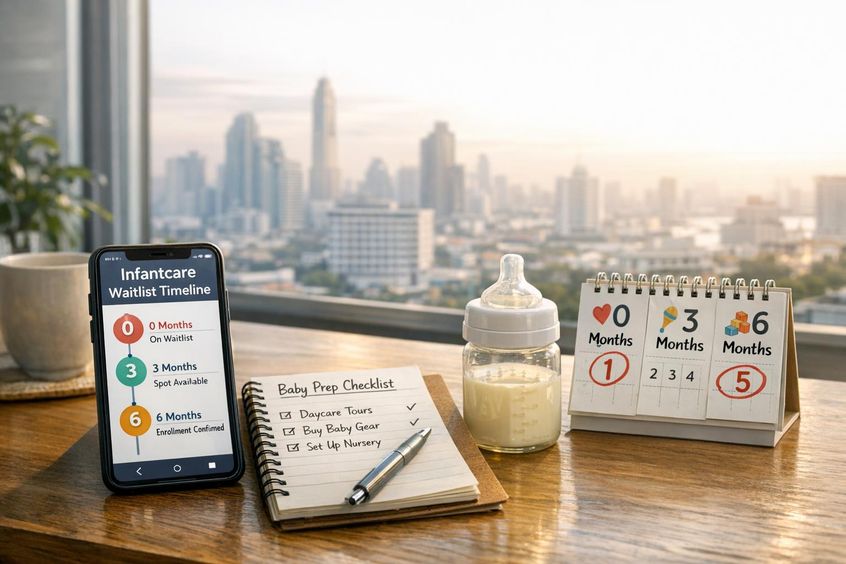
Moving to Bangkok with a baby can be urgent. The good news is that you can set up infant are in phases, so your family coverage from week one while you build a stable routine.
What to arrange in your first 7 days
Start with immediate coverage and safety basics. Book short babysitter blocks to protect your schedule while you explore long-term options. Keep your baby routine written in one shared note: feeding schedule, nap cues, soothing methods, allergies, and emergency contacts.
If you need rapid temporary support, start with trusted profiles on babysitter services and clearly label that your child is under 12 months.
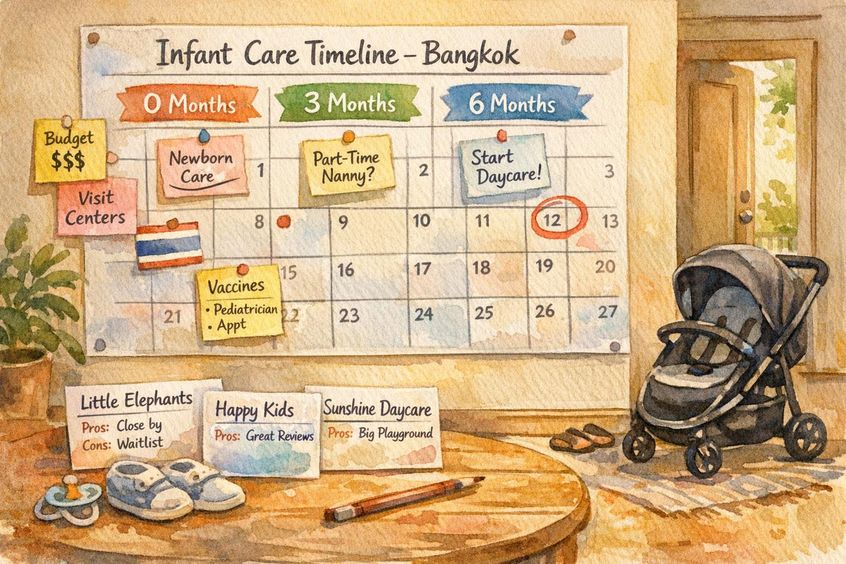
Typical infant care timeline in Bangkok
Most families use a 3-stage setup:
- Temporary care in week 1-2
- Trial sessions in week 2-4
- Stable recurring plan in week 4-8
The exact timing depends on district, caregiver availability, and your preferred schedule.
Wait-list windows parents should expect
For infant-focused care, expect moderate wait pressure during school transitions and after major holidays. A realistic planning window is 2-8 weeks for your ideal match and timetable. If your start date is fixed, begin outreach 4-6 weeks early and run at least two parallel options.
How to screen infant care properly
Use a practical screen, not a long interview script. Focus on:
- Under-12-month hands-on experience
- Bottle prep and feeding hygiene process
- Safe sleep practices and baby monitoring habits
- Comfort with colic, teething, and disrupted nap days
- Commute reliability for early starts
For longer routine support, compare profiles in nanny services. If your baby has medical follow-up needs, review nurse services for appropriate care scope.
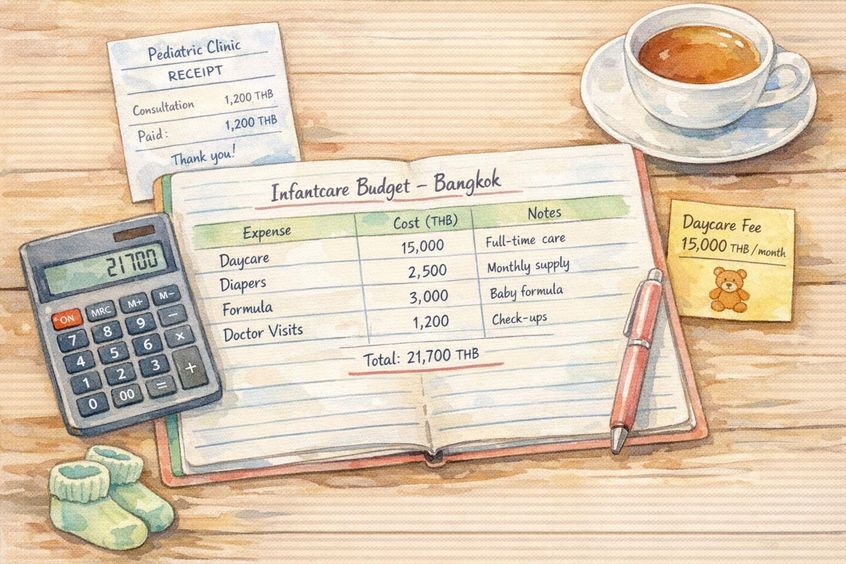
Monthly planning range for infant care
Most expat families in Bangkok budget around 18,000-45,000 THB per month depending on hours, flexibility, and weekday vs weekend mix. That is roughly $550-$1,380 as of April 2026. Build a base plan first, then add optional blocks for date nights or backup coverage.
A simple setup checklist before 12 months
- Create one-page infant routine sheet
- Prepare home safety and feeding supplies
- Confirm backup caregiver option
- Schedule two trial sessions before recurring commitment
- Define handover format for each shift
- Review your plan every 2 weeks as your baby routine changes
Mistakes families make in the first month
The most common mistake is trying to solve everything with one hire immediately. In practice, families who move smoothly usually separate the problem into layers: immediate coverage, fit validation, and long-term rhythm. Another frequent issue is not documenting routines clearly enough. Infant care quality often drops not because of bad intent, but because handovers are vague.
A practical fix is to keep one living handover note and update it every few days. Include feeding amount ranges, signs of overstimulation, preferred soothing sequence, emergency backup contacts, and what to do when naps fail. This reduces stress for both parents and caregivers and makes trial comparisons more objective.

How to run trial sessions that predict fit
A single short trial can look fine but still hide routine mismatch. Run at least two sessions in different contexts: one during feeding and one during transition pressure (nap handover, parent call overlap, or evening routine). Watch for calm execution, hygiene consistency, and communication clarity.
Use a simple scorecard after each trial:
- Infant handling confidence under mild stress
- Clean bottle workflow and sanitization discipline
- Sleep cue recognition and over-tired prevention
- Punctuality and route reliability
- Quality of end-of-shift handover
This gives you measurable signals before committing to recurring hours.
Backup planning for work loaded weeks
Bangkok traffic, weather, and school-calendar spikes can disrupt even strong routines. Build backup before you need it. Keep one secondary caregiver pre-briefed, define same-day escalation rules, and pre-authorize pickup details where relevant. Families that do this avoid last-minute panic and reduce cancellation risk significantly.
A useful rule: if your weekly schedule has two or more non-flexible commitments, maintain one active backup path at all times. It costs a coordination up front but prevents expensive disruptions later.
Final thought
Infant care in Bangkok is easier when you plan in layers instead of searching for one perfect answer. Start with reliable short coverage, test fit quickly, and then lock in the schedule that matches your baby and your family pace. For more local family planning guides, browse FamBear blog.
Frequently Asked Questions
Start 4-6 weeks before your required start date if possible. This gives you time for screening, trial shifts, and one backup option.
Is it normal to use temporary care first?Yes. Many families begin with short babysitter setup for the first 1-2 weeks, then move to a recurring setup once fit and routine are clear.
What wait-list window is realistic for infant-focused care?A practical expectation is 2-8 weeks for your preferred schedule and caregiver profile, depending on area and timing.
What should we verify for under-12-month care?Check infant handling experience, bottle and feeding hygiene, safe sleep practices, and confidence with unsettled nap days.
How much should we budget per month?A common planning range is about 18,000-45,000 THB monthly, based on your hours, flexibility, and weekday/weekend mix.