
Why Bangkok Is a Growing Market for Caregivers
Bangkok has quietly turned into one of Southeast Asia's strongest cities for childcare professionals. More expat families arrive each year, Thai dual-income households keep growing, and the international school scene brings parents who need after-school care they can trust. Whether you are Thai and looking to turn informal experience into a real career, or a foreign caregiver weighing a move, this city has genuine opportunities - plus stronger legal protections than most people realize.
Here is the baseline: Thailand's minimum wage in Bangkok is 400 THB per day in 2026. Skilled nannies regularly earn far above that floor. Families pay a premium for someone dependable, someone who speaks their language, someone their children actually like. The gap between minimum wage and what good caregivers actually take home? That is your career upside.
What Kinds of Caregiver Roles Exist
Childcare work in Bangkok is not one-size-fits-all. Each role comes with its own rhythm, pay, and lifestyle.
Part-time babysitter - Evenings, weekends, date nights. Good if you are studying or trying things out. Hourly rates fall between 200 and 500 THB, depending on your experience and whether you speak English or another language the family needs.
Full-time nanny - This is where most caregivers land. Five or six days a week, around 8 to 10 hours daily. Pay runs from 15,000 to 35,000 THB per month. English speakers sit at the top of that range.
Live-in nanny - You get room and board on top of your salary, which makes the monthly pay of 12,000 to 30,000 THB go further than it looks on paper. No rent, no grocery bills. Some caregivers save significantly more in live-in roles.

Elderly caregiver - Thailand's aging population has turned this into a fast-growing field. Families need reliable help for aging parents, and salaries range from 15,000 to 40,000 THB per month. Knowing basic nursing care is a real edge.
Household manager - For veterans who can juggle childcare, cooking, cleaning schedules, and household logistics. Expect 25,000 to 45,000 THB monthly, and expect to show solid references.
Curious what families are actually hiring for right now? Browse current nanny and caregiver listings on FamBear to get a sense of the market.
Salary Expectations in 2026
Pay varies a lot in Bangkok, and honestly, that works in your favor - it means there is room to move up.
Just starting out (under 2 years experience): 10,000 to 18,000 THB per month. Common for Thai nationals entering the field or Myanmar nationals working in Thai-speaking homes.
A few years in (2 to 5 years): 18,000 to 30,000 THB per month. This is when references and even basic English start opening better-paying positions.
Seasoned professional (5+ years, bilingual): 30,000 to 45,000 THB per month. Nannies who speak fluent English, Japanese, or Mandarin alongside Thai have families competing for them.
Specialist (special needs, newborn care, household management): 35,000 to 60,000 THB per month.
For perspective, experienced bilingual nannies in Bangkok earn about $920 to $1,380 per month as of March 2026. That is competitive regionally, and Bangkok's cost of living stretches it much further than, say, Singapore or Hong Kong.
Legal Protections You Should Know About
Thailand made a significant change in 2024 that many caregivers still have not heard about. Ministerial Regulation 15, effective April 2024, gave domestic workers - including nannies, housekeepers, cooks, and drivers - a real set of labor rights.
Working hours - You cannot be asked to work more than 8 hours a day, and you must get at least a 1-hour break. The weekly cap is 48 hours.
Time off - At least 1 full day of rest per week. Thirteen paid public holidays a year. After one year with the same employer, you get 6 days of paid annual leave.
Sick leave - 30 paid days per year. A medical certificate is only required if you take 3 or more consecutive sick days.
Pregnancy protections - 98 days of maternity leave, with your employer paying 45 days at your normal salary. Firing a domestic worker over pregnancy is now illegal. Pregnant caregivers cannot be assigned to night shifts, overtime, or holiday work.

Salary protections - Deductions from your pay are capped at 20% total and restricted to specific categories like taxes and provident fund contributions. Nothing else.
When you leave - One full pay-cycle notice from your employer is required. All wages plus unused leave pay must arrive within 3 days of your last shift. You should also receive a work experience certificate.
Enforcement teeth - Employers who violate these rules face fines up to 200,000 THB and potential imprisonment up to one year. Holding your ID documents is a criminal offense.
These are not suggestions. They are law. If something feels off in your working arrangement, you have standing to push back.
Skills That Actually Move the Needle on Pay
Some investments in yourself pay off faster than others in this market.
Language is king. English fluency can genuinely double what you earn compared to Thai-only speakers. Mandarin and Japanese carry similar weight because Chinese and Japanese expat families are among Bangkok's largest communities. You do not need to be perfectly fluent - conversational ability in a second language still opens doors that were previously closed.
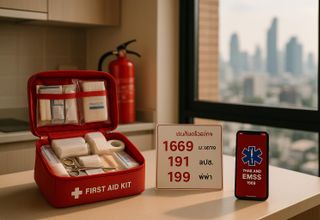
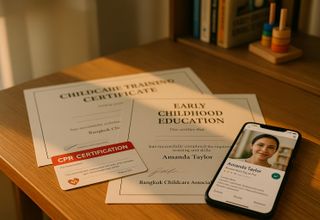
First aid and CPR certification takes a weekend and costs relatively little. It tells parents you take safety seriously. Many caregivers skip this, which means having it already sets you apart.
Early childhood education coursework shows you understand development, not just supervision. Families with toddlers and preschool-age children especially care about this.
Special needs training brings the highest premium of all. Caregivers trained in autism spectrum support, speech therapy assistance, or physical therapy help can command 40,000 THB monthly and above.
Cooking matters more than people expect, particularly for live-in roles. If you can prepare balanced, kid-friendly meals, you become much harder to replace.
Being comfortable with technology rounds things out. Parents want updates, photos, and schedule coordination through messaging apps. It sounds basic, but comfort with digital tools signals professionalism.
Finding Work in Bangkok
Job searching as a caregiver has changed. Here are the channels that actually produce results.
Online platforms are now the fastest route. FamBear lets you build a profile with your experience, languages, and availability so families can find and contact you directly. You set your own rates and choose who to work with. Check current job openings to see what is available right now.

Agencies match you with families and sometimes offer training. They charge a fee - sometimes to you, sometimes to the family, sometimes both. The upside is that they handle the initial screening on both sides.
Expat community groups on Facebook are surprisingly active hiring channels. Bangkok Mothers & Babies International (BAMBI) and similar groups regularly post about families searching for caregivers. Getting known in these communities pays off.
Word of mouth still works best for landing premium positions. A glowing recommendation from a previous family outweighs any resume. Always ask for a written reference, and treat every job like it could lead to the next one through reputation alone.
Families looking for occasional babysitting help also search these same channels, so a strong profile makes you visible for both regular and part-time opportunities.
Growing Your Career Over Time
This work does not have to be temporary or stagnant. Plenty of caregivers in Bangkok have built real careers with increasing income and responsibility.
Document everything - Track your jobs, collect written references, maintain your certifications. A detailed profile on a platform like FamBear creates a portable track record.
Pick a specialty - General experience is your foundation, but specializing is how you reach the top salary brackets. Newborn care, toddler education, special needs, elderly care - each has distinct demand and pricing.
Keep learning - Bangkok has training options through organizations like Kiidu Academy and various early childhood education programs. Even short workshops sharpen your skills and make your profile more compelling.
Stay connected - Other caregivers are your colleagues, not your competition. Join professional groups, stay active in expat communities, and share opportunities. Many top positions never get publicly posted.
Think beyond childcare - The organizational skills, patience, and interpersonal instincts you develop translate directly into household management, agency work, or even early childhood education roles at schools. Some caregivers eventually start their own small placement services.
Interested in adjacent career paths? Nursing and elderly care is a growing field in Bangkok that builds on many of the same skills.
Frequently Asked Questions
How much does a nanny earn in Bangkok per month?
Nanny salaries in Bangkok range from about 10,000 THB per month at entry level to 45,000 THB or more for experienced bilingual professionals. The biggest factors are language ability, years of experience, and whether the role is live-in or live-out. Specialist caregivers and household managers can reach 60,000 THB per month.
Do I need a work permit to work as a nanny in Thailand?
If you are Thai, no. Foreign nationals need a valid work permit and appropriate visa to work legally in Thailand, including domestic positions. Some families sponsor the documentation process for foreign caregivers they want to hire. Understanding the legal requirements before accepting a position is essential - the process requires employer sponsorship.
What legal protections do domestic workers have in Thailand?
Ministerial Regulation 15, effective April 2024, guarantees domestic workers 8-hour maximum workdays, 1 weekly rest day, 13 paid public holidays, 30 paid sick days, and 98 days of maternity leave. Employers cannot deduct more than 20% of your pay, cannot hold your identity documents, and must provide one pay-cycle notice before termination. Violations carry fines up to 200,000 THB.
What skills help nannies earn more in Bangkok?
English fluency is the single biggest salary booster, followed by Mandarin and Japanese. First aid certification, early childhood education training, cooking ability, and special needs experience all command premiums. Even conversational bilingual ability noticeably increases the number of families willing to hire you.
Where is the best place to find nanny jobs in Bangkok?
Online platforms like FamBear offer the most direct route - create a profile and let families find you. Agencies provide placement services for a fee. Expat Facebook groups (like BAMBI) are active hiring channels. Personal referrals from past employers remain the most powerful way to land premium positions.
Can caregiving become a real career in Bangkok?
Absolutely. Growing demand from expat families and Thai dual-income households means the market is expanding. Clear progression exists from entry-level babysitting through specialized nanny roles to household management or agency work. With solid references and intentional skill development, caregiving in Bangkok offers genuine long-term career stability.