When families in Bangkok say they want an "experienced caregiver," they often mean something deeper than years of working on a profile. what they mean is a calm communication during stressful mornings, thoughtful updates during the day, and the ability to adapt when routines change without drama.
Technical training still matters. But in real homes, soft skills are what make caregiver feel reliable, respectful, and emotionally safe for both children and parents.
This guide breaks down the soft skills families actually notice, how to evaluate them in interviews, and how caregivers can build these skills through training.
Why soft skills are now priority during interview
Most families can compare certifications in a few minutes, but what is harder to evaluate is, how a caregiver behaves when a child refuses breakfast or when parent is late for a meeting.
It is not about theory but It is about emotional regulation, communication clarity, and problem-solving under pressure.
In Bangkok, where many families balance long commutes, bilingual households, and variable school schedules, soft skills often determine whether a placement lasts. Families may start their search on platforms like FamBear nanny services, but long-term satisfaction usually depends on how consistently a caregiver communicates and collaborates after the first week.
The six soft skills that matter most in daily childcare
1) Clear parent communication
Families value concise updates: what happened, what changed, and what needs attention. Strong caregivers avoid vague messages and share practical details, such as appetite, nap duration, mood shifts, and any safety observations.

A good update style is simple and structured. Parents do not need long essays. They need useful information at the right time.
2) Emotional self-regulation
Children mirror adult stress quickly. A caregiver who can stay calm during tantrums, transitions, and conflicts usually creates more stable home atmosphere.
This does not mean being emotionless. It means handling pressure without escalating it.
3) Routine discipline with flexibility
Great caregivers follow agreed routines, but they are not rigid. They know when to keep structure and when to adapt based on a child's health, sleep, or school demands.
4) Child-led communication
Top caregivers adjust language by age and developmental stage. They give short, clear instructions to toddlers and more collaborative choices to older children.
5) Boundary professionalism
Families trust caregivers who respect household boundaries, privacy, and role clarity. Reliability includes punctuality, confidentiality, and consistent behavior across different family dynamics.
6) Collaborative problem-solving

Unexpected events happen every week. Strong caregivers propose solutions, not just problems. For example, if pickup timing changes, they present two workable options and confirm parent preference.
How families can evaluate soft skills during hiring
Resume screening is useful, but soft skills appear clearly in scenario-based interviews and trial shifts.
Start with three scenario questions:
- "Our child refuses to get dressed and we are already late. How would you handle the next ten minutes?"
- "You notice a child is unusually quiet after school. What do you observe and how do you update us?"
- "Two parents give slightly different instructions. How do you clarify expectations respectfully?"
Look for answers with sequence, tone, and decision points. A strong response is specific, calm, and practical.
Then use a paid trial shift. Ask the caregiver to run one real routine: snack, activity, transition, and cleanup. This reveals communication style faster than CV.
Families browsing FamBear babysitter services can use the same process for part-time care. and This format will stay lightweight, but the evaluation quality improves significantly.
Training formats in Bangkok and realistic budget planning
Soft skills improve fastest with repetition and feedback. In Bangkok, families and caregivers usually combine three formats:
- Short workshops on communication, conflict handling, and child behavior guidance.
- Mentored practice during trial or early placement weeks.
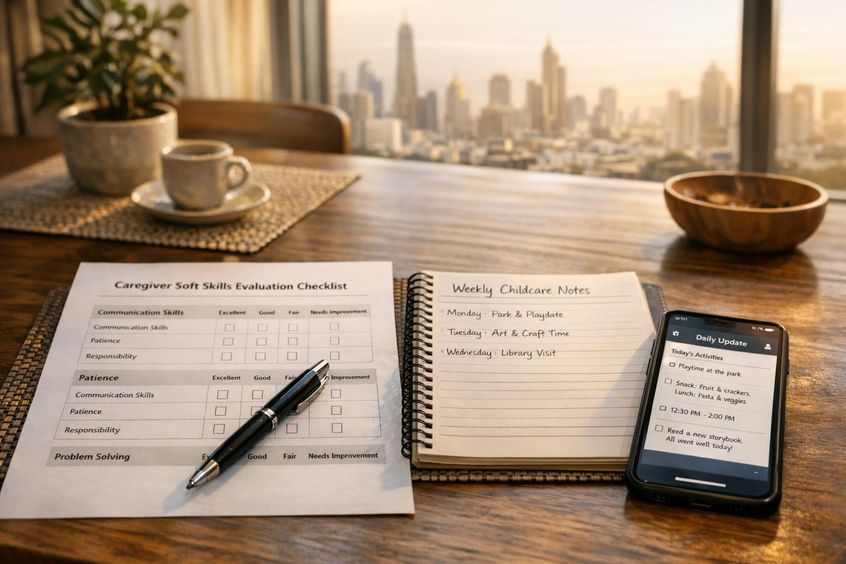
- Monthly review sessions with a clear scorecard.
Budget ranges vary by provider and depth. Many families and caregivers plan around 2,500-8,000 THB for focused soft-skills training and coaching cycles in Bangkok (roughly $80-$240 as of April 2026).

For ongoing placements, this is often a small investment compared to the cost of a failed match and restart hiring process.
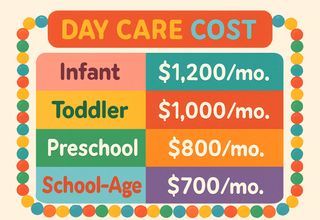
If you are planning a broader hiring budget, many Bangkok households estimate monthly childcare costs around 18,000-45,000 THB depending on schedule and caregiver profile (about $540-$1,360 as of April 2026). Adding a small training line item from day one usually improves retention and trust.
A practical 30-day soft-skills growth plan for caregivers
Caregivers who want to be stand out can use a simple monthly framework.
Week 1: Build communication baseline
- Agree on update format with the family (morning, midday, evening).
- Use consistent structure: routine, mood, meals, sleep, notes.
- Ask one clarification question daily to reduce assumption errors.
Week 2: Strengthen transition handling
- Practice two calm transition scripts for difficult moments.
- Track which phrase works best by age and time of day.
- Review patterns with the family every weekend.
Week 3: Improve collaboration with parents
- Summarize one challenge with two solution options.
- Confirm parent preference before changing routine.
- Document what worked and what needs adjustment.
Week 4: Professional polish
- Recheck punctuality and handoff quality.
- Refine tone in messages: clear, respectful, concise.
- Set one improvement target for the next month.
Caregivers who consistently follow this plan often become the first choice for referrals because families can feel the difference in daily life.
For more practical hiring and caregiver development guides, explore the FamBear services overview and the FamBear blog.
Soft skills are not "extra" in childcare. In Bangkok's fast-moving family routines, they are often the main reason a caregiving relationship becomes stable, trusted, and long-term.
Frequently Asked Questions
Which soft skill is most important when hiring a caregiver in Bangkok?
Clear communication is usually the most visible starting point. Families need timely, practical updates they can act on, especially during school-day transitions and schedule changes.
Can soft skills be trained, or are they just personality traits?
They can absolutely be trained. Structured feedback, scenario practice, and consistent routines usually improve communication, emotional regulation, and collaboration within a few weeks.
How can parents test soft skills in one interview?
Use short real-life scenarios and ask for step-by-step responses. Then validate those answers in a paid trial shift where the caregiver handles an actual routine block.
What is a realistic budget for soft-skills training in Bangkok?
Many families and caregivers budget around 2,500-8,000 THB for focused workshop and coaching cycles, depending on provider and intensity.
How often should soft-skills performance be reviewed after hiring?
A monthly review works well for most households. Keep it simple: discuss communication quality, routine reliability, and one improvement target for the next month.