

Handing your child over to someone else - even someone wonderful - is one of the hardest things a parent does. In Bangkok, where many families rely on full-time nannies or part-time babysitters, the stakes feel even higher. You might be navigating a new city, a different language, or unfamiliar customs around childcare.
Here is the thing, though. Bangkok actually has a strong network of qualified caregivers, reputable agencies, and practical tools that make protecting your little ones more straightforward than you might expect. This guide walks you through everything from vetting a caregiver to spotting red flags, so you can leave the house with genuine peace of mind.
Start with a Thorough Background Check
Before anyone spends time alone with your child, you need to know who they are. In Thailand, criminal record checks are available through the Royal Thai Police (CID office) and can be requested by the individual or through a licensed screening agency. Thailand's Personal Data Protection Act (PDPA), fully enforced since June 2022, classifies criminal records as sensitive data - meaning any check has to follow proper consent procedures.
Here is what a solid vetting process looks like in practice:
- Criminal background check - Request a police clearance certificate. Agencies like Integrity Thailand or Bangkok Investigators handle this regularly and know the process inside out.
- Reference calls - Speak directly with at least two previous employers. Ask specific questions: How did the caregiver handle emergencies? Would you hire them again? Vague or evasive answers are a signal.
- ID verification - Confirm the caregiver's Thai national ID or passport. A trustworthy candidate will not hesitate here.
- In-person interview - Watch how the candidate interacts with your child during a trial visit. Body language often tells you more than words do.
Using a platform like FamBear simplifies this considerably. Verified caregiver profiles include background checks, reviews from other families, and documented experience - giving you a real head start on trust.
Childproof Your Home Before Day One
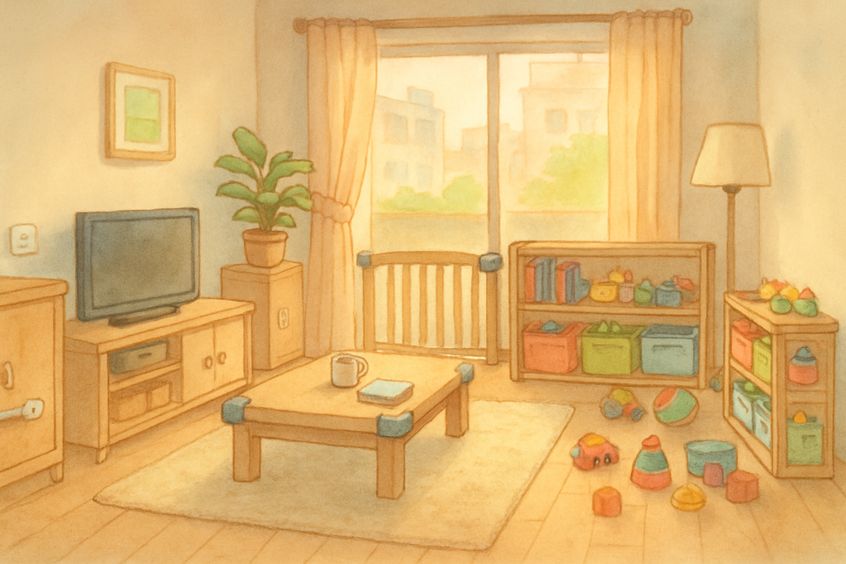
Even the best caregiver cannot prevent every accident if the environment itself is not safe. Before your nanny or babysitter starts, do a thorough walkthrough:
- Electrical outlets - Cover all unused outlets with safety plugs. Bangkok condos often have outlets right at toddler height.
- Windows and balconies - Install window locks or guards, especially in high-rise apartments. This matters a lot in Bangkok, where so many families live above the 10th floor.
- Cabinets and drawers - Use child locks on anything containing cleaning products, medications, or sharp objects.
- Furniture anchoring - Secure bookshelves, TVs, and heavy furniture to the wall. Toddlers are natural climbers and surprisingly strong.
- Water safety - If you have a pool or bathtub, the rule is absolute: never leave the child unattended near water, not even for a second.
Walk your caregiver through the home on their first day. Show them the first aid kit location, which doors stay locked, and any specific hazards in your space. Do not rush this part.
Make First Aid and Emergency Prep Non-Negotiable
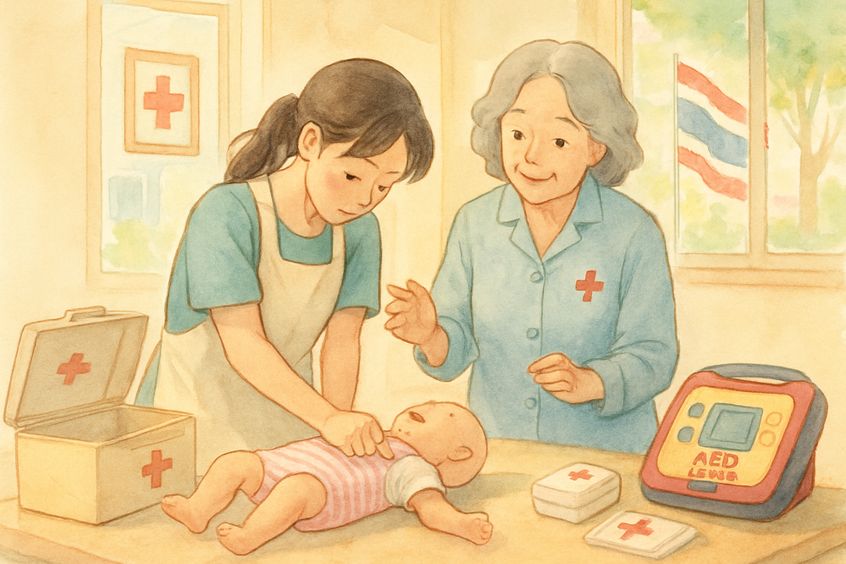
Accidents happen no matter how careful everyone is, and how quickly your caregiver responds can make all the difference. At minimum, your caregiver should know basic first aid - and ideally hold a current CPR certification.
Bangkok has genuinely excellent pediatric first aid training:
- First Aid Training Bangkok (firstaidtrainingbangkok.com) runs pediatric CPR and AED courses in both English and Thai. Courses typically cost 2,500 to 4,500 THB per person.
- Bangkok First Aid (bangkokfirstaid.com) is an American Heart Association training provider with classes throughout the city.
- Kiidu partners with Bangkok First Aid to run CPR workshops specifically designed for nannies.
Paying for your caregiver's certification is a small investment - roughly $80 to $140 as of March 2026 - that could genuinely save a life.
Emergency Contact Sheet
Post this somewhere visible in your home - the refrigerator, near the front door, wherever your caregiver will see it every day:
- Ambulance: 1669
- Police: 191
- Fire: 199
- Your nearest hospital (name, address, direct phone number)
- Both parents' mobile numbers
- A trusted neighbor or backup contact
Major Bangkok hospitals with pediatric emergency care include Bumrungrad International, Samitivej Sukhumvit, and Bangkok Hospital. Know the fastest route from your home and make sure your caregiver does too.
Set Clear Communication Rules
Misunderstandings create risk. The more clearly you lay out expectations, the safer your child will be. Never assume something is obvious - what seems like common sense to you may not be to someone from a different background.
Put it in writing. Create a simple document covering:
- Daily routine (wake-up, meals, naps, outdoor time, bedtime)
- Food allergies and dietary restrictions
- Approved and off-limits activities
- Screen time rules
- Discipline policy - be explicit about what is and is not acceptable
- When to call you versus when to call emergency services
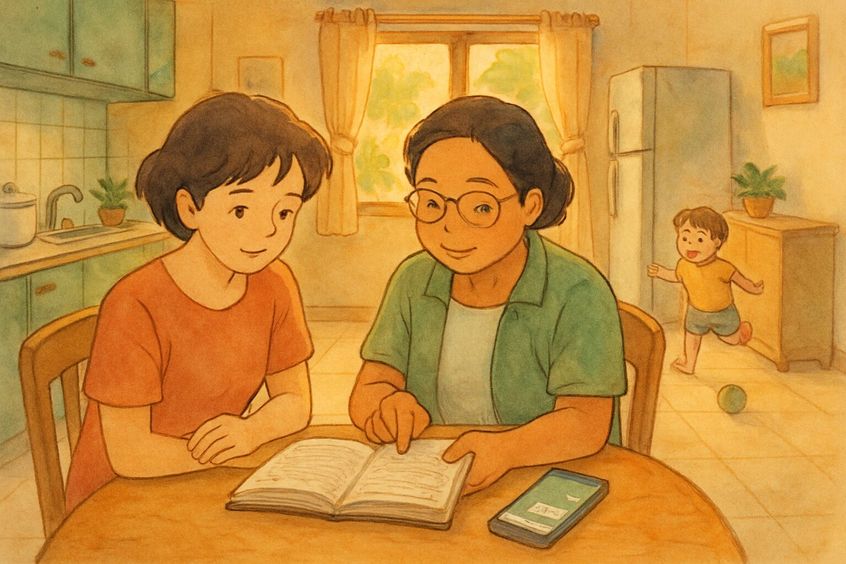
Use daily logs. Ask your caregiver to note meals, naps, diaper changes, activities, and anything unusual each day. Many families in Bangkok use a shared LINE chat or a simple notebook. It creates accountability and helps you spot patterns you might otherwise miss.
Check in regularly. A quick video call during the day is not hovering - it is responsible parenting. Most caregivers in Bangkok are perfectly comfortable with this, especially when you set the expectation up front.
Know the Red Flags
Nobody wants to think about this, but knowing the warning signs can protect your child. Watch for these:
In your child:
- Sudden behavioral changes - withdrawal, clinginess, or aggression that was not there before
- Fear or anxiety around the caregiver, especially at drop-off or pickup
- Unexplained bruises, scratches, or injuries
- Regression in development (a potty-trained child suddenly having accidents, for example)
- Reluctance to talk about their day
In your caregiver:
- Inability or unwillingness to explain how an injury happened
- Resistance to being observed or checked on
- Consistently ignoring your instructions about routines, food, or screen time
- Speaking negatively about your child
- Secretive behavior with their phone during work hours
One sign by itself may mean nothing at all. But a pattern of several signs deserves your immediate attention. Trust your gut - if something feels off, dig deeper.
Use Monitoring Thoughtfully
Home cameras have become standard in many Bangkok households, and they are a genuinely useful safety tool when used with respect.
What is legal in Thailand: Under the PDPA and police guidance issued in 2022, home CCTV for security purposes is generally permitted without a warning sign. That said, good practice - and basic decency - means telling your caregiver about any cameras in shared living areas.
Practical tips:
- Place cameras in common areas (living room, kitchen, playroom) - never in bathrooms or the caregiver's private sleeping area
- Use a camera with two-way audio so you can communicate if needed
- Popular budget-friendly options in Bangkok include Tapo, Wyze, and Eufy cameras, running between 800 and 3,000 THB
- Frame it positively when you tell your caregiver: "We have cameras for everyone's safety, including yours"
Transparency builds trust. Good caregivers actually appreciate cameras because they provide protection against false accusations too.
Build Trust Gradually
Safety is not just about systems and checklists. It is also about the relationship you build with your caregiver over weeks and months.
Start with a trial period. Most experienced families in Bangkok recommend one to two weeks of supervised care before leaving your child alone with someone new. During this time:
- Be present at home but let the caregiver take the lead
- Observe how they handle transitions, tantrums, and mealtimes
- Start with short outings and gradually extend the time away
Make unannounced visits. The Mayo Clinic recommends "irregular, frequent, unannounced visits" as one of the most effective child safety measures. Come home at unexpected times, especially during the first few months.
Invest in the relationship. A caregiver who feels respected, fairly compensated, and part of the family is far more likely to provide excellent care. In Bangkok, competitive pay, clear days off, and bonus months (a common practice in Thai work culture) go a long way toward building loyalty and commitment.
If you are still looking for the right fit, you can browse verified babysitters or professional nurses on FamBear to find someone who matches your family's specific needs.
When to Seek Help
If you suspect your child is being mistreated, act immediately. Document what you have observed, remove your child from the situation, and seek professional guidance. In Thailand, the Department of Children and Youth (under the Ministry of Social Development) handles child welfare concerns. You can also reach the Childline Thailand hotline at 1387.
For less urgent concerns - a caregiver who is not following instructions, personality mismatches, or scheduling headaches - consider working with a caregiver placement service that can mediate or help you find a better match.
Nothing in this article is intended to constitute medical advice, diagnosis, or treatment. The information provided is for general informational purposes only and should not be relied upon as a substitute for professional medical advice from a qualified healthcare provider. Always seek the advice of a licensed physician or other qualified health professional with any questions you may have regarding a medical condition or care needs. Reliance on any information provided in this article is solely at your own risk.
Frequently Asked Questions
You can request a criminal record check through the Royal Thai Police (CID office) or hire a licensed screening agency such as Integrity Thailand or Bangkok Investigators. The caregiver will need to provide consent under Thailand's PDPA. Most reputable platforms like FamBear include background verification as part of their caregiver profiles.
Are nanny cameras legal in Bangkok?Yes. Home CCTV for security purposes is generally legal in Thailand. Under PDPA guidance issued in 2022, cameras installed for crime prevention and security do not require a warning sign. However, you should inform your caregiver about cameras in shared spaces and never place cameras in bathrooms or private sleeping areas.
What first aid training should my caregiver have?At minimum, your caregiver should be trained in pediatric CPR and basic first aid. Bangkok has several certified training providers, including First Aid Training Bangkok and Bangkok First Aid, which offer courses in English and Thai. Courses typically cost 2,500 to 4,500 THB and take one day to complete.
What are the warning signs that a caregiver is not treating my child well?Watch for sudden behavioral changes in your child - withdrawal, fearfulness, clinginess, or unexplained injuries. On the caregiver's side, red flags include resistance to being observed, inability to explain injuries, ignoring your instructions consistently, or speaking negatively about your child. A pattern of multiple warning signs warrants immediate investigation.
How long should a trial period with a new nanny last?Most families in Bangkok find that one to two weeks of supervised care gives you enough time to evaluate a new caregiver properly. Start by being present at home while the nanny works, then gradually increase your time away. Pay close attention to how the caregiver handles routines, minor emergencies, and your child's emotional needs.
Should I use an agency or hire a caregiver independently?Agencies and platforms offer vetting, accountability, and replacement guarantees that independent hiring simply does not. Hiring independently is usually cheaper but puts the full burden of background checks, reference calls, and legal compliance on you. A platform like FamBear offers a practical middle ground - verified profiles with flexibility and lower fees than traditional agencies.