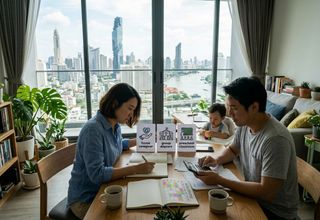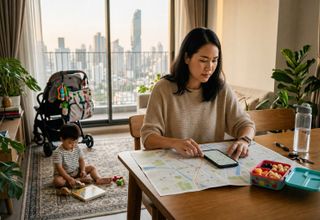
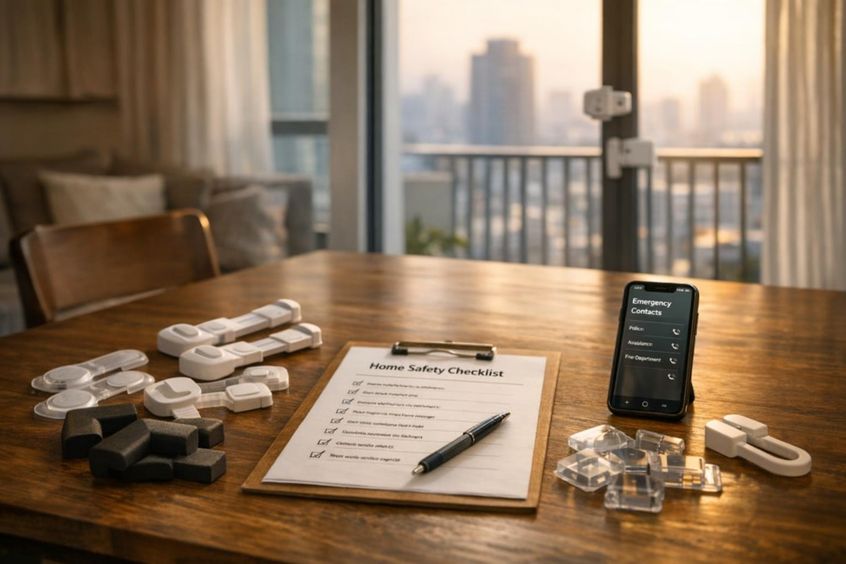
Hiring a nanny is not only about finding someone warm and reliable. Your home setup also has to be one during normal, chaotic family days.
In Bangkok condos, risks are often very specific: balconies, slick bathroom tiles, fast elevators, compact kitchens, and cleaning products stored in tight spaces. A strong caregiver helps a lot, but only when your safety system is clear before the first solo shift.
Why childproofing changes when a nanny joins your routine
Parents build silent habits over time. You automatically block the balcony door with your body. You remember which cabinet hides detergent. You know which kettle button gets hot almost instantly.
A nanny does not have that map yet. Even experienced caregivers need orientation to your exact floor plan and your child's behavior patterns.
The families who do this well treat safety like a shared operating system. They do not assume "common sense" will fill the gaps. Once rules are explicit, your nanny spends less energy guessing and more energy supervising.
If you are still deciding who to hire, you can find a nanny in Bangkok and prioritize candidates who are comfortable with structured home routines.
The five home zones to review before the first solo shift
Do one full walkthrough before day one. Keep it practical and calm.
Start with entry a living area. Show where shoes, bags, and small objects should go after handoff. Clutter during transition time is one of the easiest ways to create falls.

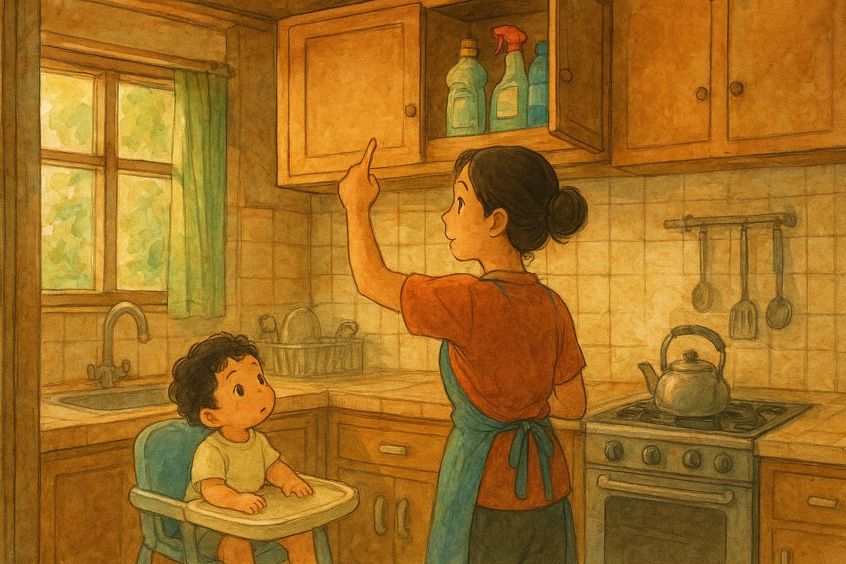
Then review the kitchen. Be clear about what is always off-limits for children: blades, glass, chemicals, and hot surfaces. If you use induction or a fast boiler, do a live demo.
Next is bathroom and laundry. In many Bangkok homes these are small, slippery spaces where products are easy to leave in reach. Locked or hide a storage works better than "usually out of reach."
After that, cover bedroom and sleep setup. Explain house settings, monitor routine, and what to do when your child wakes early and starts climbing.
Last, balcony and windows. This should be a zero-negotiation rule. Keep climbable furniture away from railings. Lock access when it is not in an active use. No exceptions for "just one minute."
If you also use evening or weekend support, it helps to book a babysitter with the same home rules so every caregiver follows one safety standard.
Build one emergency plan your whole home can follow
In emergencies, memory gets messy. Written steps are more reliable than instructions repeated once in conversation.
Create one visible emergency sheet in the kitchen or near the entrance. Keep it short: child full name, allergies, current medications, preferred hospital, and two parent numbers. Add your unit details in Thai and English if possible so a helper can communicate the address quickly.
Most families in Thailand keep these numbers visible: 1669 for medical emergency and ambulance, 191 for police or general emergency, and 1155 for tourist police support.
Then do a short drill together. Ask simple scenario questions. If your child vomiting and has a fever at night, what is to be call first? If your child falls and looks drowsy, what is to happens in the first minute?
Families usually get better outcomes when hiring and home setup are treated as one system. You can compare childcare services and choose a process that supports both screening and practical safety routines.
How FamBear helps you hire for safety, not just availability
The hard part is not finding someone who can start this week. The hard part is finding someone who can follow safety rules consistently.
Many Bangkok parents use FamBear to evaluate caregivers with scenario-based questions before day one. That matters because practical questions reveal judgment faster than generic "Do you have experience?" interviews.
Ask how a caregiver handles balcony access, medicine storage, and emergency escalation. Ask what they do when a toddler refuses nap and starts climbing furniture. The answers tell you a lot about a decision making.

Safety also improves when all adults in the home use the same script for key boundaries. One checklist. One escalation flow. One set of non-negotiables. Children respond better when boundaries stay predictable.
If you want additional setup ideas, you can read more childcare guides and adapt each checklist to your building and your child's age.
A 20-minute weekly safety reset that actually gets done
Most parents do not skip safety because they do not care. They skip it because it feels endless. A short weekly reset fixes that.
Set a timer for 20 minutes. Walk the same five zones. Put risky items back in safe storage. Check balcony locks. Refill first-aid basics. Confirm emergency numbers and contacts are still current.
Then ask your nanny one question: what is the riskiest thing this week?
The question is valid. Caregivers can see daytime patterns parents which are often miss: a loose cabinet latch, a bathroom mat that slides, a toy basket drifting toward the balcony door.
A childproof home is never "done," but it can be easy to maintain. With one repeatable reset each week, you reduce surprises and make fast response more likely when something does go wrong.
Frequently Asked Questions
What should a nanny know about home safety before the first day?
A nanny should get a full home walkthrough with your non-negotiable rules: balcony access, medicine storage, kitchen heat sources, sleep setup, and who to call first in an emergency. Written rules are more reliable than a quick verbal briefing.
How often should parents update childproofing in a Bangkok condo?
A quick weekly reset works best for most families. Then do a bigger review each time your child reaches a new mobility stage, like climbing, running, or opening cabinets independently.
Which emergency numbers should be on the fridge in Thailand?
Most families keep 1669 for medical emergency and ambulance, 191 for police or general emergency, and 1155 for tourist police support. Add your exact condo address and two parent contacts beside those numbers.
Is balcony safety a major issue for toddlers in Bangkok apartments?
Yes, especially in high-rise condos where balcony doors are easy to reach and furniture can be climbed. Keep climbable items away from railings, lock doors when not in use, and treat balcony access as an active-supervision zone only.
Should I write safety rules down or explain them verbally?
Do both, but prioritize a written one-page system. In stressful moments, people remember checklists better than conversations, and written steps keep all caregivers consistent.