
Bangkok keeps landing on shortlists of the best cities for expat families, and for good reason. Healthcare here is world-class, the food is incredible, people genuinely adore children, and your money stretches further than it does in most Western capitals. But relocating with kids takes more than booking a one-way flight. Schools have waitlists, visa rules shift regularly, and picking the wrong neighborhood can turn your daily commute into a two-hour ordeal.
This guide covers the big decisions - where to live, which schools to look at, how to handle healthcare, what childcare actually costs, and the visa paths that make sense for families. Prices and policies reflect early 2026.
Picking the Right Neighborhood
Where you live shapes almost everything about daily life in Bangkok - the commute, your kids' social circle, how much you pay in rent. These are the areas that work best for families.
Phrom Phong and the mid-Sukhumvit strip (Soi 24 to 39) is where most expat families with young children end up. Benchasiri Park gives kids space to run around, Emporium and EmQuartier sit on top of BTS Phrom Phong station, and several international schools are within walking distance. Two-bedroom condos run 35,000 to 80,000 THB per month depending on building age and amenities.
Thonglor and Ekkamai feel a bit more laid-back. Thonglor has a strong cafe and restaurant scene. Gateway Ekkamai has a play area on the top floor that younger kids love. Budget 30,000 to 65,000 THB for two bedrooms.
Sathorn and Silom work well when one parent has an office in the financial district. Lumpini Park - Bangkok's biggest green space - sits right at the edge. Condos cost roughly 30,000 to 70,000 THB.
Ari has become popular with younger expat families looking for a more local, less touristy vibe. Quieter streets, rents from 20,000 to 45,000 THB for two bedrooms, and good markets within walking distance.
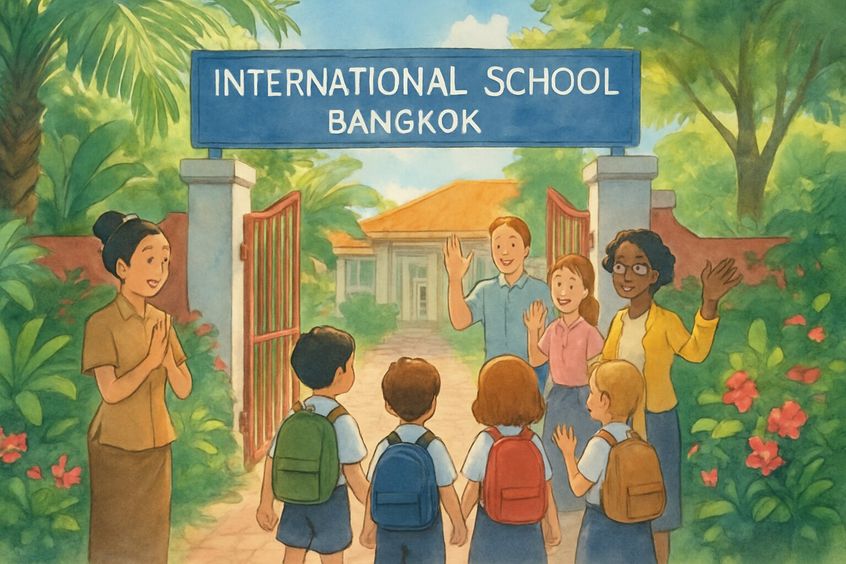
Bang Na is the go-to for families enrolling children at ISB (International School Bangkok), since the campus is nearby. IKEA, Mega Bangna, and noticeably lower rents - 15,000 to 35,000 THB for two bedrooms. The trade-off is distance from central Bangkok.
International Schools - What to Expect
Bangkok has over 150 international schools. The range is enormous, from globally ranked institutions with Olympic-sized pools to small community schools where class sizes sit around 12.
Top-tier schools like ISB, NIST, Shrewsbury, Bangkok Patana, and Harrow charge 800,000 to over 1,000,000 THB per year in tuition - roughly $25,000 to $31,000 as of March 2026. Registration fees add 50,000 to 200,000 THB on top. These schools run IB, British, or American curricula with extensive extracurriculars and learning support.
Mid-tier options - St Andrews, KIS, Ruamrudee, ASB - fall between 400,000 and 800,000 THB per year. Solid academics, good facilities, more manageable price.
Budget-friendly schools at 200,000 to 400,000 THB include Bromsgrove, Francophone schools like LFIB, and newer establishments. Class sizes might be larger, but the education holds up.
One thing catches newcomers off guard: top schools fill up fast. If you want a place at ISB, Shrewsbury, or Patana for August, apply nine to twelve months ahead. Rolling admissions exist at some schools, but they are the exception.
Healthcare for Kids
Bangkok's private hospitals are genuinely excellent, and pediatric care stands out.
Samitivej Sukhumvit runs a dedicated international children's hospital - its own building, a neonatal ICU, and pediatric specialists covering everything from allergies to neurology. Most expat families with young kids end up there at some point.
Bumrungrad International holds JCI accreditation and has a full pediatrics center with multilingual staff. A routine pediatric consultation runs about 1,500 to 3,000 THB.
Bangkok Hospital operates a large network with 24/7 emergency departments across multiple locations.
International health insurance is strongly recommended. Family plans typically cost 50,000 to 150,000 THB per year per person, though this varies by coverage and deductibles. Many employers cover this in relocation packages. Self-employed or remote workers can look at Cigna, Luma, or Pacific Cross for family plans with Thai hospital networks.
Make sure your children's vaccination records are current before arriving. Thai schools follow Ministry of Public Health guidelines and require proof of Hepatitis B, MMR, and DTP-Polio vaccines. Typhoid and rabies vaccinations are also recommended for kids living here long-term.
Childcare and Nannies
Household help is far more common and affordable in Bangkok than in most Western countries. Many expat families hire a full-time nanny - sometimes even families who never would have considered it back home.
A full-time live-in nanny typically earns 15,000 to 25,000 THB per month. Live-out nannies - arriving daily but not staying overnight - charge 18,000 to 35,000 THB. Part-time babysitters go for 300 to 500 THB per hour. Our nanny cost guide breaks everything down by experience level and duties.
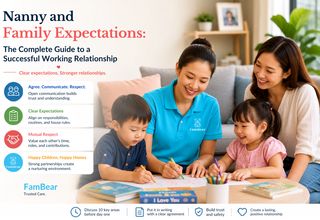
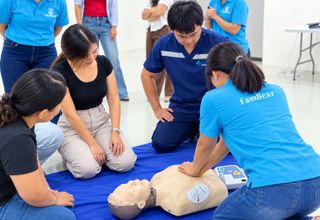
Finding the right person matters more than finding the cheapest option. Look for caregivers with verifiable references, first-aid training, and experience with your children's age group. Platforms like FamBear let you browse vetted nannies and babysitters with background checks, reviews, and transparent pricing - saving weeks of asking around on Facebook groups.
If your child has special needs or you want someone with medical training, you can also hire a qualified nurse through the platform.
Visas That Work for Families
Thailand offers several visa paths for families. The right one depends on your situation.
Non-Immigrant O (Dependent): If one parent holds a Thai work permit, spouse and children under 20 can get dependent visas. The most straightforward option for corporate transfers.
Non-Immigrant O (Guardian/Education): Available to a parent whose child is enrolled in a Thai-registered school. Requires proof of enrollment and financial means.
DTV (Destination Thailand Visa): Launched mid-2024, this gives 180 days with an extension option. Spouse and children apply as dependents with marriage and birth certificates. Bank statements showing at least 500,000 THB equivalent are required.
LTR (Long-Term Resident) Visa: A 10-year option for high-income professionals or remote workers earning over $80,000 per year. Dependents included. Comes with tax benefits and a fast-track work permit.
Thailand Elite Visa: Starts at 600,000 THB for five years, with family packages running 800,000 to 2,000,000 THB. No work permit included, but you get unlimited entries and airport fast-track.
Whichever visa you choose, bring legalized copies of birth certificates, marriage certificates, and school transcripts. The legalization process - apostille or embassy authentication - can take several months, so start early.
Monthly Costs - A Realistic Breakdown
What a family of three or four typically spends monthly in Bangkok, excluding school tuition:
- Housing (2-3 bedroom condo): 30,000 - 80,000 THB
- Groceries and dining: 20,000 - 40,000 THB
- Transport (BTS/MRT, Grab, taxis): 5,000 - 15,000 THB
- Utilities (electric, water, internet): 3,000 - 8,000 THB
- Nanny or household help: 15,000 - 40,000 THB
- Health insurance: 8,000 - 12,000 THB
- Kids activities and outings: 5,000 - 15,000 THB
Total (excluding school): roughly 86,000 to 210,000 THB per month. At the midrange, that works out to about $4,500 as of March 2026 - significantly less than comparable family life in Singapore, Hong Kong, or London.
Add tuition and the picture shifts. Mid-tier school fees of 500,000 THB per year add around 42,000 THB per month on top.
Tips for the First Three Months
The settling-in period is when things feel most chaotic. A few things that help:
Join parent groups early. Facebook groups like "Bangkok Expat Mums and Dads" and "Families in Bangkok" are goldmines for recommendations on everything from pediatricians to playgrounds. Your child's school will have its own parent community too.
Get a Thai phone number on day one. You need it for Grab rides, Line (Thailand's main messaging app), food delivery, and mobile banking. AIS, True, and DTAC sell tourist SIM cards at the airport, but switch to a postpaid plan once settled.
Set up childcare before you unpack. Having a trusted babysitter available in those first weeks gives you time to handle bank accounts, condo contracts, and school paperwork without dragging kids along.
Learn basic Thai greetings. Even a few words go a long way. "Sawadee krap/ka" (hello), "khop khun krap/ka" (thank you), and "aroy" (delicious) earn smiles from neighbors, teachers, and taxi drivers.
Respect the heat. Bangkok is hot year-round, with temperatures above 35C from March to May. Schedule outdoor activities for mornings or late afternoons. Keep kids hydrated, and make sure your condo has a pool - it will get daily use.
Frequently Asked Questions
Bangkok is generally safe for families. Violent crime rates are low, and Thai culture is exceptionally welcoming toward children. The biggest safety concerns are road traffic - always hold hands when crossing streets - and occasional air quality issues during burning season (February to April). Most expat parents feel comfortable letting older children use the BTS and walk around their neighborhood independently.
What age should my child start at an international school in Bangkok?Most international schools accept children from age 2 or 3 in nursery or pre-kindergarten programs. Early enrollment helps secure a spot and lets children adapt before the academic curriculum intensifies. If you are moving mid-year, ask about rolling admissions - some schools offer January and April entry points.
Do I need to speak Thai to live in Bangkok with kids?No. English is widely spoken in expat-popular areas, and international schools operate entirely in English (or the language of their curriculum). Hospital staff at major private facilities are fluent in English. That said, learning basic Thai makes daily life smoother and helps your children connect with local friends.
How long does it take to settle in as a family?Most families say the first three months are the hardest, and things start feeling normal around six months in. Children typically adjust faster than adults, especially once they are in school and making friends. Having reliable childcare support from the start makes the transition easier for everyone.
Can I homeschool my children in Thailand?Thailand does not have formal regulations for homeschooling foreign children, so many expat families do it without issues. Your child will not receive Thai educational credentials, though, and some visa types require proof of school enrollment. Check your visa requirements carefully and consider registering with an accredited online school for transcript purposes.
What is the best time of year to move to Bangkok?Most families time their move for July or early August to align with the international school calendar, which typically starts mid-August. This gives a few weeks to find housing, set up utilities, and let kids adjust before school begins. Avoid moving during Songkran (Thai New Year, mid-April) when many businesses close for about a week.